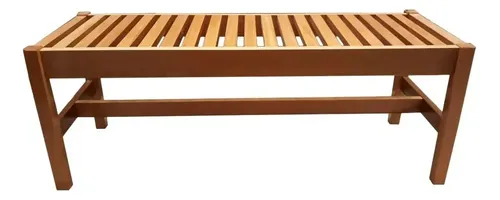

The O'Gell Table (Kanavel Table) is a device designed for physical therapy and motor rehabilitation, primarily targeting the rehabilitation of the upper extremities (shoulder, elbow, forearm, wrist, and fingers).
Its main purpose is to restore motor functions, increase range of motion, and strengthen muscles after injuries or strokes.
Here are the detailed goals and benefits of using an Ogle table:
## 1. Improving Range of Motion
Various table exercises help to loosen joint stiffness and increase flexibility.
* The patient was able to move the hand and arm joints in all normal anatomical directions.
## 2. Strengthening the upper limb muscles
* The table contains pulleys, weights, ropes, and adjustable resistances.
These tools help to gradually strengthen the muscles of the fingers, hand grip, forearm, and shoulder.
## 3. Neurological rehabilitation and fine motor skills
* It is frequently used for patients with hemiplegia resulting from strokes.
* It helps in retraining the brain to control finger and hand movements (such as fine motor skills like grasping objects, twisting, and pressing).
## 4. Improving Neuromuscular Coordination
* Training the patient to coordinate movements between different hand muscles and to perform complex and smooth movements without tremors or stumbling.
5. Stimulates blood circulation
* Continuous movement and moderate resistance stimulate blood flow to the injured tissues, which speeds up the healing process and reduces swelling.
——————————
## Situations that require the use of an Ogle table:
* After surgical procedures: such as hand tendon surgeries, fractures fixed with plates and screws, and joint stiffness after cast removal.
* Neurological injuries: Bell's palsy, brachial plexus injuries, and strokes.
* Chronic diseases: such as rheumatoid arthritis and arteriosclerosis, which affect mobility.


 The most popular and versatile training tool-made in Germany-the new type of size gymnastic ball is specially designed for safe exercise. Due to its soft and handy surface, it is comfortable to use and provides safety for balance exercises. In addition, it is an ideal stability for exercises in sitting and kneeling and is particularly suitable as a Dynamic Support Surface.Thanks to its light weight and size, this new type of fitness ball also allows ideal swing and rotation exercises to strengthen your body. The Redondo pool plus air can be easily inserted and discharged without the need for any pump.